Share

UNDERSTANDING THE MULTILATERAL SYSTEM

Founded in San Francisco and headquartered in New York City, the UN has been central to American foreign policy since 1945. Entering its eighth decade in 2026, the UN was created following World War II to safeguard global peace and ensure the horrors of the Holocaust would never occur again.

While the world has changed significantly since the UN’s early days, the organization remains a force multiplier for the U.S. and a key platform for multilateral diplomacy to mitigate conflict and collectively address challenges that no country can resolve alone.

UN STRUCTURE

The UN Charter that established the United Nations in 1945 created six principal organs. 


  • General Assembly

    The UN General Assembly (UNGA) is the only place where all 193 nations on the planet have an equal voice. It elects members of the Security Council, appoints the Secretary-General and approves the UN budget. Unlike the Security Council, every country gets one vote — and no one has a veto. Member States also choose a new president each year to lead the body for a one-year term. And while its resolutions may be non-binding, they carry real political and moral weight because they reflect the will of the entire international community.

    Interested in following the General Assembly? Meetings of UNGA and the Security Council are aired live on UN TV.

  • Security Council

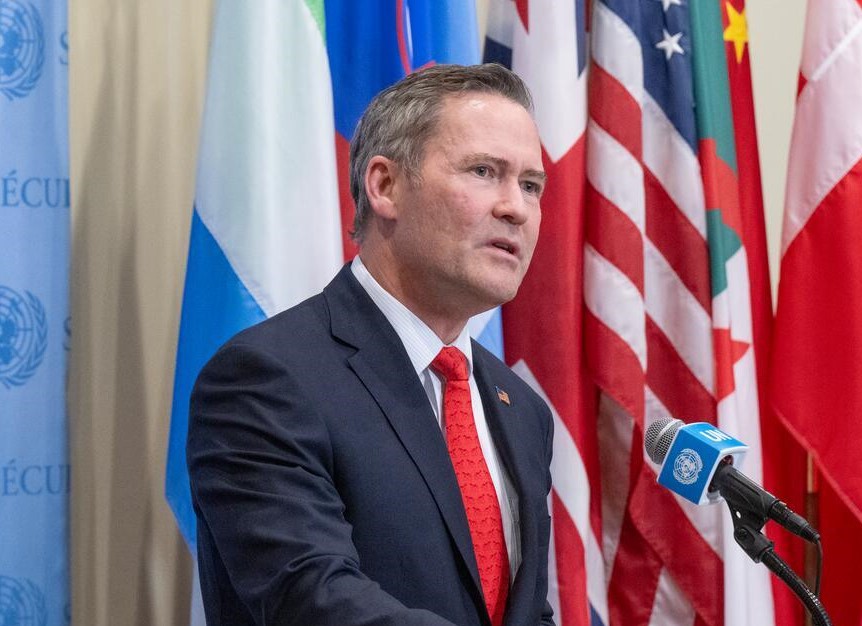
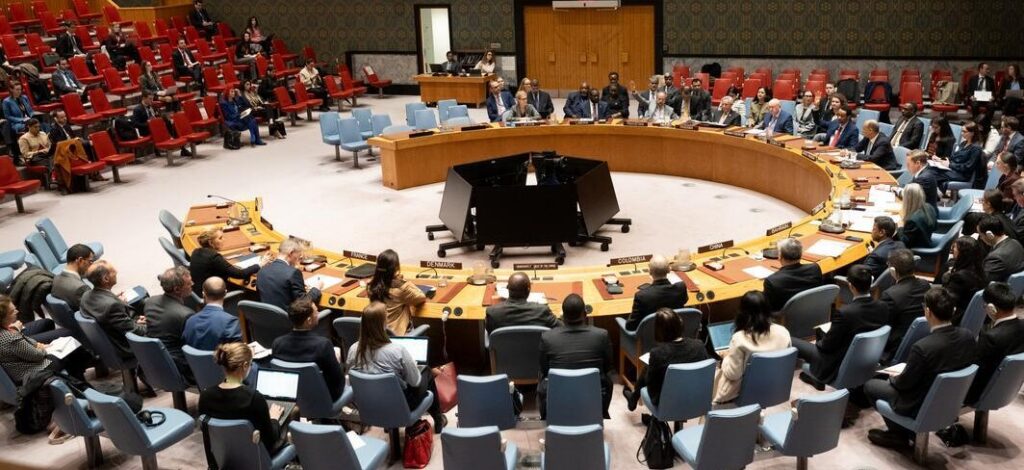
    The Security Council is the UN’s premier decision-making body, charged by the UN Charter with “primary responsibility for the maintenance of international peace and security.” It has 15 members: five permanent (the “P5” include the U.S., U.K., France, China and Russia) and ten elected to two-year terms by the General Assembly. The Council presidency rotates monthly, with the presiding member managing workflow, chairing meetings and setting the agenda.

    For any resolution to pass, it must earn nine affirmative votes and avoid a negative vote from any permanent member — giving the P5 unilateral veto power over substantive decisions. Since its creation, the Council has been the central forum for addressing global security challenges, from authorizing more than 70 peacekeeping missions to advancing nuclear nonproliferation.

    In 2025, the U.S. worked through the UN Security Council to achieve historic progress in advancing sanctions against Iran, passing the resolution for an end to the war in Gaza and creating the framework for an intervention in Haiti.

    Learn about the Security Council veto.

  • Secretariat

    Headquartered in New York, the UN Secretariat is a 35,000-person civil service – including more than 6,000 Americans – responsible for the UN’s day-to-day operations and for implementing mandates from the General Assembly and Security Council. Its annual budget is around $3.7 billion, roughly the size of New Hampshire’s state budget.

    The Secretariat’s work spans mediating disputes, supporting Security Council sanctions, coordinating disaster relief, promoting economic development and facilitating meetings among Member States.

    The Secretariat is led by the Secretary-General, appointed to five-year terms by the Security Council and confirmed by the General Assembly. While there is no formal term limit, Secretaries-General traditionally serve no more than two. Current Secretary-General, António Guterres, has served since January 1, 2017. The election process for his replacement kicked off in November 2025.

    Learn how the UN elects its leader.

  • Economic and Social Council

    With 54 elected members and more than 1,600 accredited NGOs informing its work (including hundreds of U.S.-based organizations), ECOSOC is one of the UN’s most representative platforms. Its mission is to drive coordination across the UN system, push forward the world’s boldest ambitions and bring governments, experts and partners to the same table.

    The body provides political oversight and coordination for 15 specialized agencies (see below), eight functional commissions and five regional economic commissions, convening governments, NGOs and experts to set norms and solve problems no country can tackle alone.

    For the U.S., ECOSOC is one of the most practical venues for exercising global leadership. Much of its work directly protects Americans. The agencies it oversees help stabilize food and commodity markets that support U.S. agriculture, establish the aviation and maritime rules that keep Americans safe when they travel and maintain health systems that detect outbreaks before they reach U.S. shores. ECOSOC is also home to the High-level Political Forum each July, where countries take stock of progress on priorities that align with U.S. aims around stability, climate resilience and global economic growth.

  • International Court of Justice

    Based in The Hague and created in 1945, the ICJ is the UN’s principal judicial body and the only court that settles legal disputes between countries. It also issues advisory legal opinions at the request of the UN.

    Unlike the International Criminal Court, which prosecutes individuals, the ICJ deals only with states, providing a peaceful alternative to conflict. Its rulings are final, but the court relies on Member States to comply — backed by global legitimacy rather than enforcement power.

    With 15 judges elected by both the General Assembly and Security Council, the ICJ offers a neutral forum that helps uphold international law.

    Learn about the Court.

  • Trusteeship Council

    The Trusteeship Council was created to oversee colonial territories as they transitioned to self-governance. It suspended its work in 1994 when the last trust territory, Palau, gained independence. Though dormant, it still exists as a formal UN organ and could be reactivated if Member States assign it a new role.

    Officially eliminating the Council would require revision of the UN Charter.

PROGRAMS, FUNDS AND AGENCIES

The UN includes more than 30 affiliated organizations, programs, funds and agencies. Each has its own membership, leadership and budget, and together they carry out the UN’s day-to-day work — from humanitarian relief to global health and development. These entities partner closely with U.S. law enforcement, businesses, universities, faith communities and nonprofits to save lives and strengthen communities.

Within this broader family are member organs, related organizations and another group that plays an especially direct role in Americans’ daily lives called specialized agencies.

Specialized Agencies

The UN’s fifteen specialized agencies rarely make headlines, but they quietly shape the world around us. Each one operates independently — with its own budget, leadership and rules — working in partnership with the UN to tackle problems no country can solve alone. Some of these agencies are older than the UN itself, dating back to the 1800s, while others were established more recently to address emerging global challenges.

Their work is the backbone of a functioning world. They coordinate international mail and air travel, set food safety standards, manage weather alerts and help ensure that phones, ships, medicines and intellectual property systems all operate across borders. Much of this work is technical and largely invisible — but without it, the global economy and daily life would be far less safe, predictable and connected.

Below is a guide to these essential organizations.

VIEW A SNAPSHOT OF THE SYSTEM

SPOTLIGHTING SPECIALIZATION

Working with U.S. counterparts, numerous UN agencies help keep American communities safe, businesses working, transport moving and people connecting.

  • Food and Agriculture Organization (FAO)

    What it does: Coordinates global efforts to improve food security and sustainable agriculture.

    Why Americans should care: FAO protects a $176 billion U.S. agricultural export economy by helping keep global food markets stable and predictable. The organization monitors emerging crop pests and diseases around the world, often spotting threats long before they reach American farms. And by setting trusted international food safety standards, it ensures that imports are reliable and U.S. commodities remain competitive in markets from Asia to Africa.

    Learn about FAO.

  • International Civil Aviation Organization (ICAO)

    What it does: Sets the rules and technical standards that make international air travel safe, efficient and environmentally responsible.

    Why Americans should care: ICAO ensures that every international flight taken by an American meets consistent safety standards, prevents other countries from undercutting U.S. airlines with weaker regulations and supports the $1.8 trillion U.S. aviation and aerospace sector.

    Learn about ICAO.

  • International Fund for Agricultural Development (IFAD)

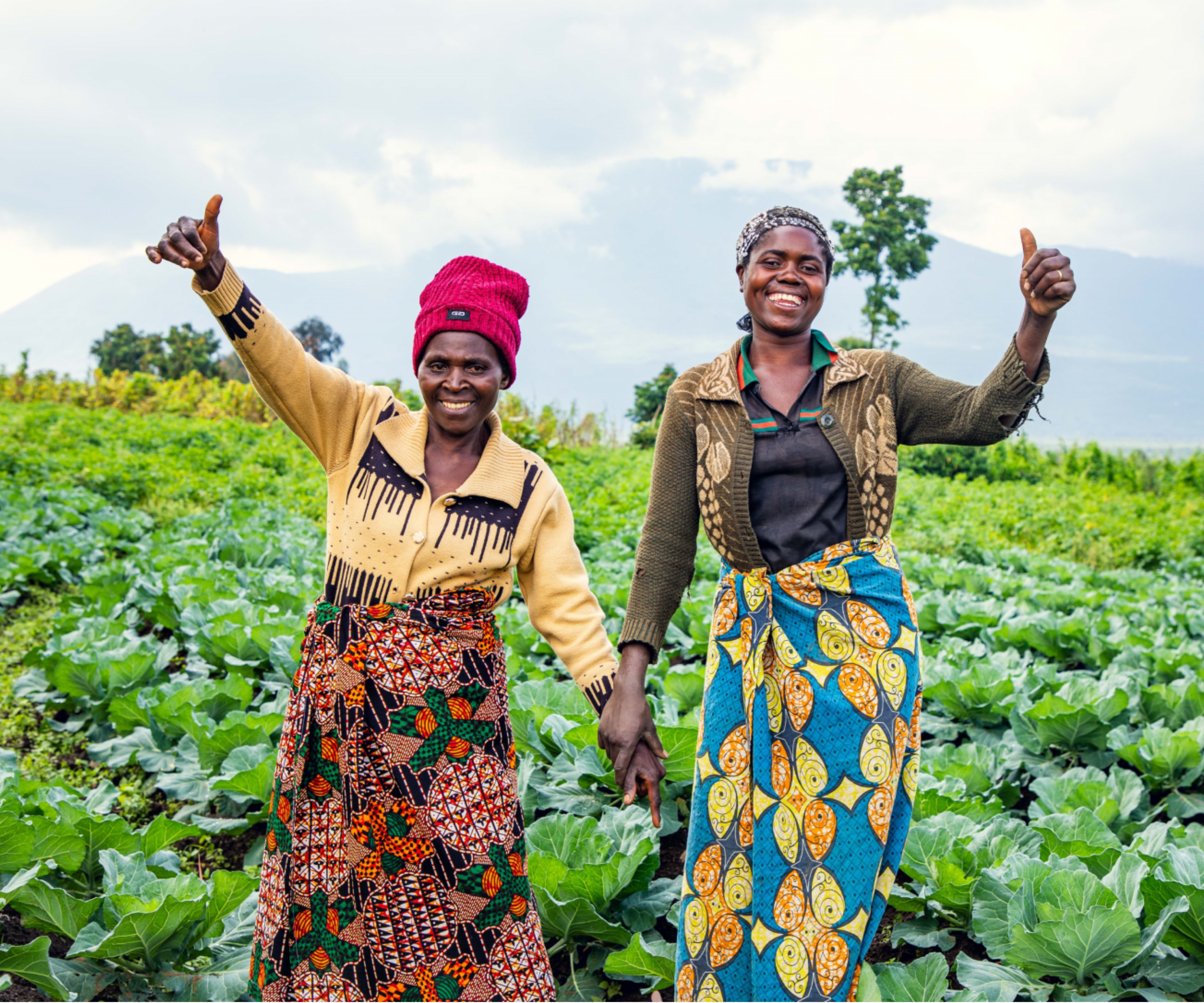
    What it does: Invests in smallholder farmers and rural development in low-income countries.

    Why Americans should care: IFAD reduces global instability linked to hunger and poverty — crises the U.S. often ends up paying for. By boosting rural incomes abroad, it strengthens global markets for U.S. food exports and lowers pressure on U.S. humanitarian spending.

  • International Labour Organization (ILO)

    What it does: Sets global labor standards and promotes safe, fair and equitable working conditions.

    Why Americans should care: ILO standards help ensure U.S. workers and businesses don’t compete against forced labor, child labor or unsafe conditions abroad. This protects American jobs, U.S.-based supply chains and corporate reputations.

  • International Monetary Fund (IMF)

    What it does: Helps stabilize the global financial system and supports countries facing economic crisis.

    Why Americans should care: IMF action helps prevent financial shocks overseas from hitting U.S. markets, protects American exports from sudden currency swings and contributes to global economic stability, which is a major factor in U.S. inflation and interest rates.

  • International Maritime Organization (IMO)

    What is does: Regulates global shipping, including safety, pollution standards and operating rules.

    Why Americans should care: IMO sets the rules for the ships that carry up to 95% of goods moving in and out of the U.S., supporting tens of millions of American jobs. Its safety and environmental standards protect U.S. ports and coastal communities and ensure American shipping companies compete on a level playing field. It also works closely with the U.S. Coast Guard, EPA, State Department and NOAA to keep America’s maritime economy secure.

    Learn about IMO.

  • International Telecommunication Union (ITU)

    What it does: Sets global standards for telecommunications, internet connectivity and satellite orbits.

    Why Americans should care: ITU makes sure your cellphone works abroad, safeguards the satellite orbits U.S. companies and national security rely on and ensures American firms have a strong voice in shaping rules for 5G, broadband and emerging technologies.

    Learn about ITU.

  • UN Industrial Development Organization (UNIDO)

    What it does: Supports industrial development, clean technologies and sustainable manufacturing.

    Why Americans should care: UNIDO expands opportunities for U.S. exporters by helping emerging economies develop modern industry. It drives demand for U.S. technology and engineering expertise and promotes global environmental standards that level the playing field for American manufacturers.

  • UN Tourism (UNWTO)

    What it does: Promotes sustainable, safe tourism worldwide.

    Why Americans should care: Tourism supports millions of U.S. jobs, from airlines to hotels. UNWTO works on traveler safety, strengthens international travel flows and helps communities worldwide rebuild tourism revenues after global shocks — all of which benefit the U.S. economy.

  • Universal Postal Union (UPU)

    What it does: Sets the rules for international mail and parcel delivery.

    Why Americans should care: UPU is why Americans can send and receive mail anywhere in the world with predictable pricing. Its standards support U.S. small businesses that depend on global e-commerce and protect the reliability of international shipping.

    Learn about UPU.

  • World Health Organization (WHO)

    What it does: Coordinates global public health and strengthens countries’ ability to manage health threats.

    Why Americans should care: WHO detects outbreaks before they reach our shores, strengthens preparedness in U.S. communities and sets the global health rules that airlines, ports and hospitals rely on — saving American lives and billions in potential losses. With operations in 194 countries and research partnerships with more than 70 U.S. institutions, WHO is the world’s only global public health agency. And for every dollar the U.S. contributes, nearly half comes back to the American economy through procurement contracts.

    Learn about WHO.

  • World Meteorological Organization (WMO)

    What it does: Ensures countries share weather, climate and atmospheric data in real time.

    Why Americans should care: WMO provides the backbone of every NOAA forecast, including hurricane tracking, storm warnings and wildfire monitoring. Its global data-sharing keeps Americans safer and helps communities plan for extreme weather.

  • World Intellectual Property Organization (WIPO)

    What it does: Protects intellectual property across borders and harmonizes global IP rules.

    Why Americans should care: WIPO safeguards U.S. inventions, creative works and trademarks in foreign markets — protecting billions of dollars in American IP. It also helps U.S. small businesses secure global patents and navigate international disputes.

  • World Bank Group

    What it does: Provides financing and technical expertise to reduce poverty and build stable economies.

    Why Americans should care: Stable economies overseas mean fewer conflicts the U.S. must respond to, more reliable trade partners and expanded markets for U.S. goods and services. World Bank projects also create opportunities for U.S. companies in infrastructure, energy and technology.

ESSENTIAL UN AGENCIES SUPPORTING PEOPLE AND THE PLANET

UNHCR

UNHCR

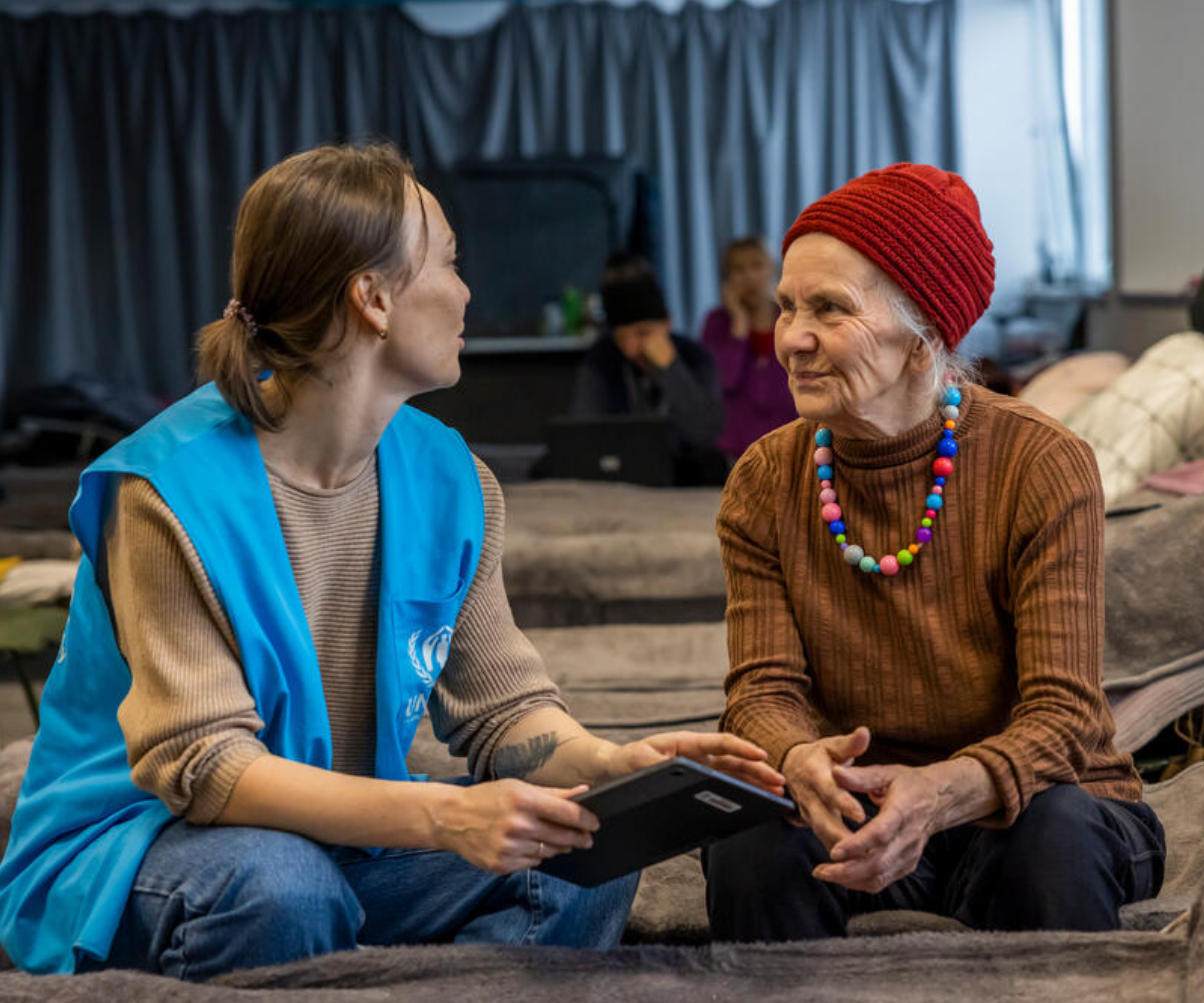
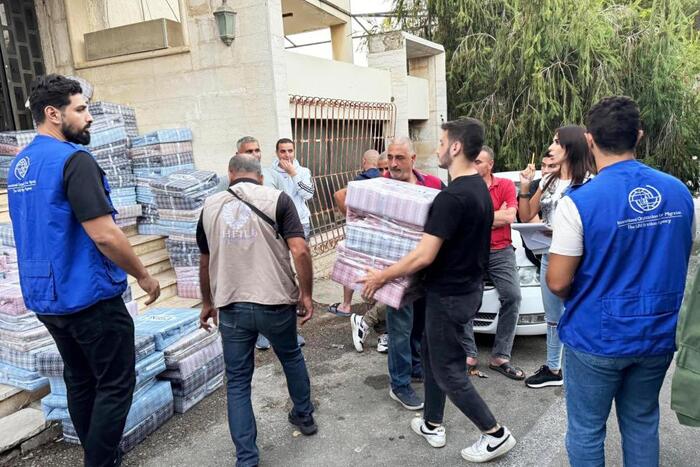
The UN Refugee Agency protects and safeguards the rights of refugees worldwide and helps facilitate resettlement or return home. For those unable to safely return to their home countries, UNHCR delivers lifesaving aid and promotes access to education, healthcare and economic opportunity. On the ground in 136 countries, UNHCR is helping tens of millions of people displaced by famine, armed conflict and persecution.

COP

UNFCC

In 1992, the United Nations Earth Summit led to the creation of the UN Framework Convention on Climate Change to reduce emissions and tackle the climate crisis. All signatories meet annually at the Conference of Parties (COP) for a status update. U.S. President George H.W. Bush signed the treaty in 1992, which the Senate unanimously ratified.

UNODC

UNODC

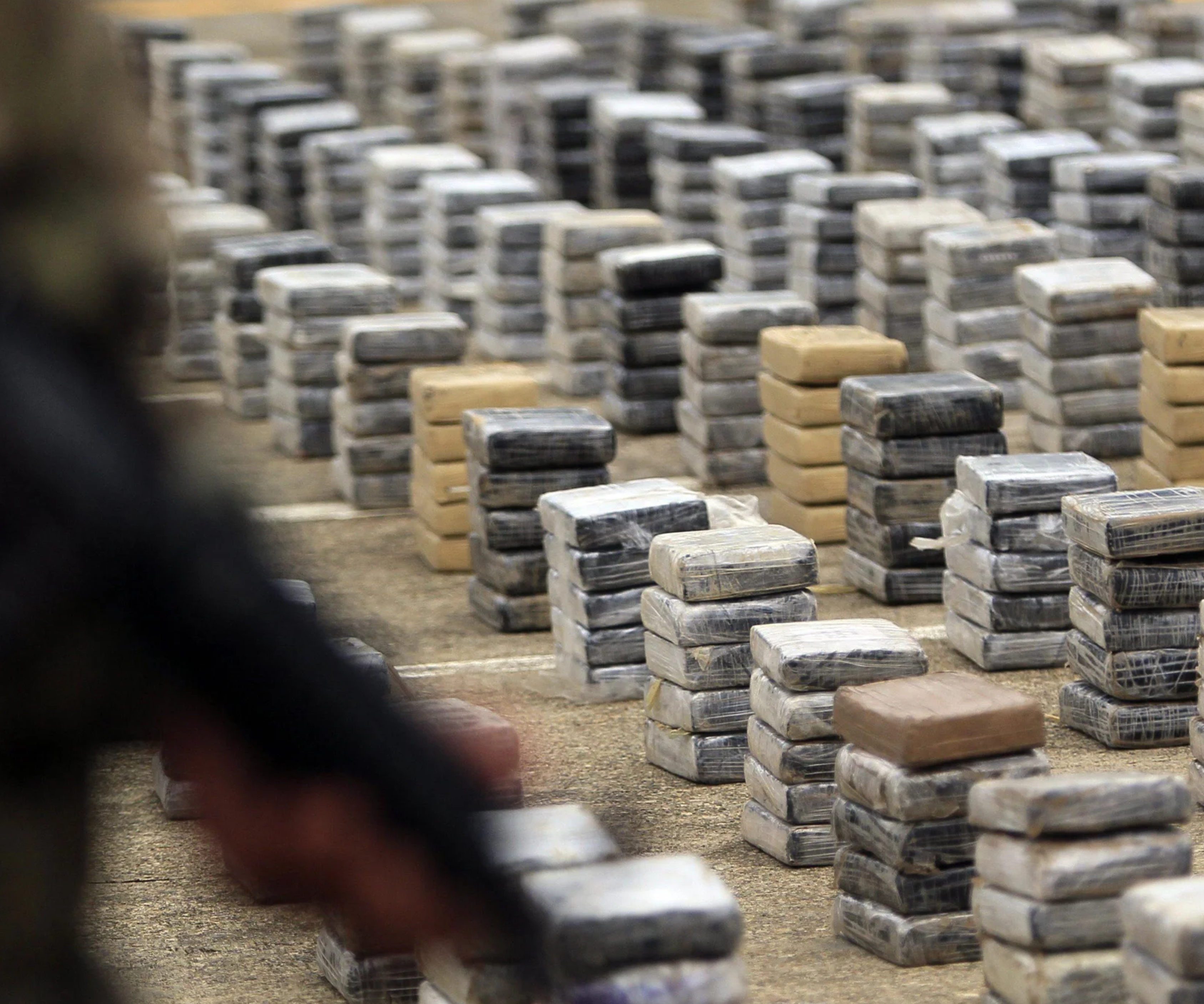
The UN Office on Drugs and Crime is a leader in the global fight against illicit drugs, organized crime, corruption and terrorism. Collaborating closely with the U.S. government on key bipartisan issues, UNODC works to prevent and stop human trafficking and the trafficking of wildlife and other illicit goods, combat illegal fentanyl flows and provide global monitoring and technical assistance to nations strengthening domestic law enforcement capacity.