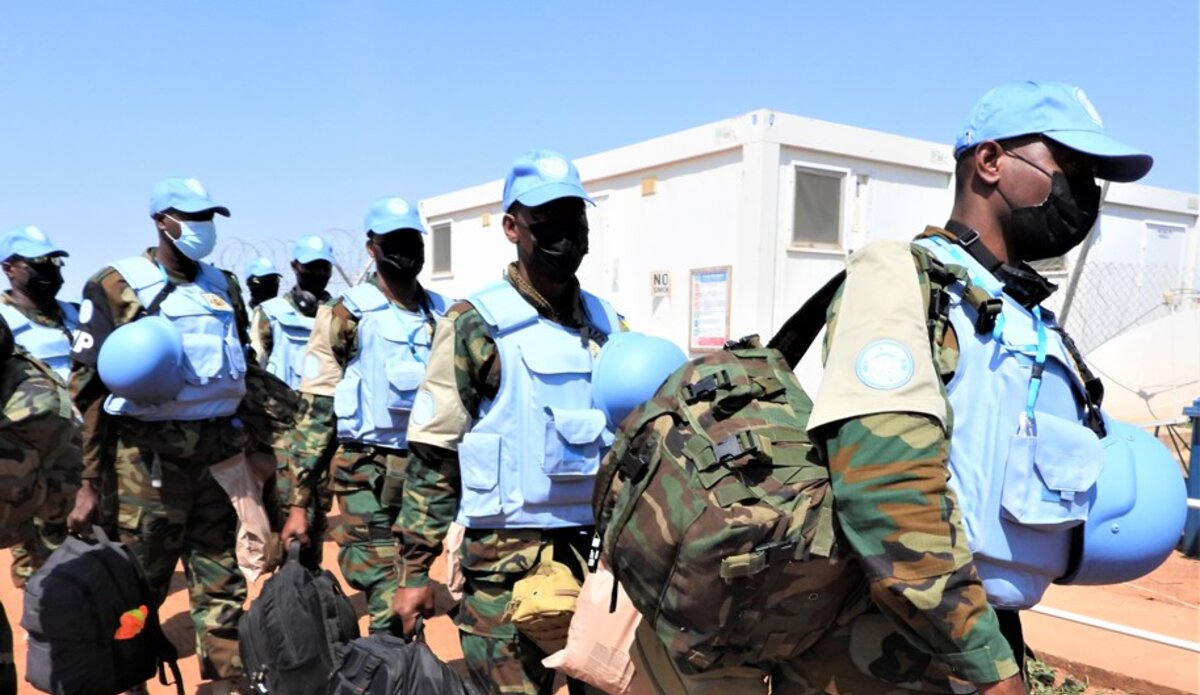
In November 2025, the UN Security Council voted to renew the mandate of the UN Interim Security Force for Abyei (UNISFA), extending the mission through November 2026. The U.S. drafted and negotiated the resolution, which passed 12-0 with three abstentions, and tied future renewals to clear progress by Sudan and South Sudan. This includes creating a joint police force and fully demilitarizing the territory.
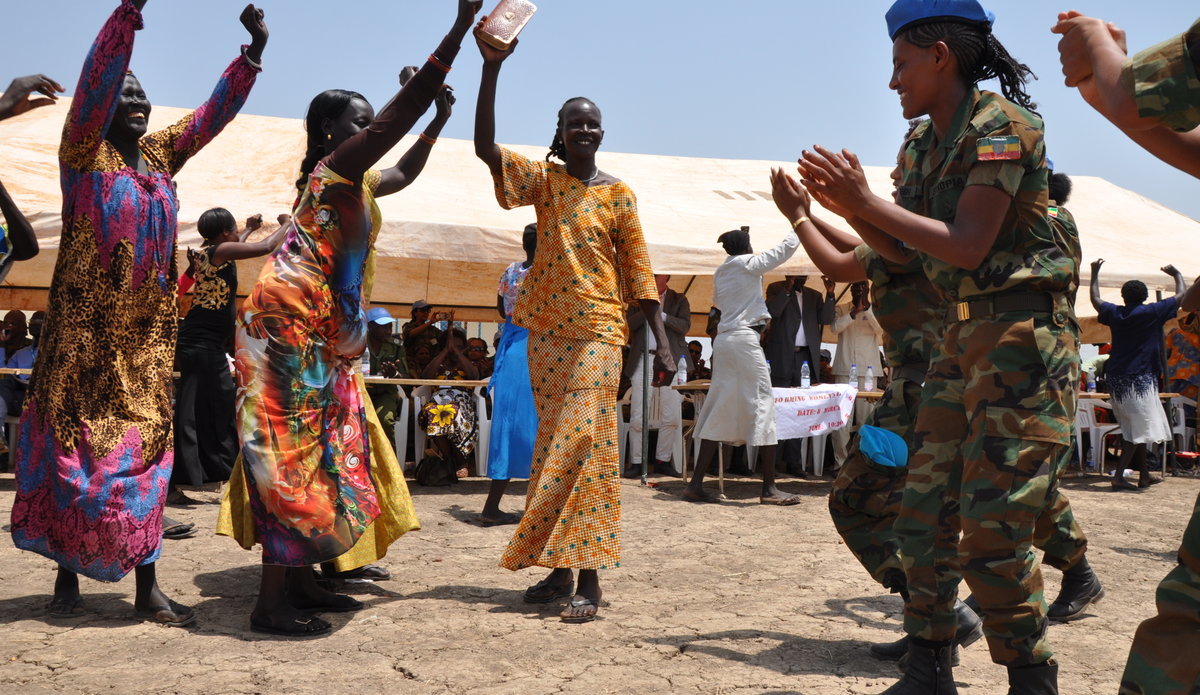
UNISFA currently maintains a strength of roughly 4,000 personnel tasked with protecting civilians, deterring violence and ensuring safe humanitarian access in a territory that continues to experience clashes and displacement. The Security Council has underscored the mission’s core purpose of civilian protection and the continuity of life-saving humanitarian operations.
Mandate Origins
UNISFA was originally created in June 2011 following renewed violence and political uncertainty in the disputed border region between Sudan and South Sudan. Initially composed of 4,200 Ethiopian troops, the mission was tasked with protecting civilians under imminent threat and stabilizing Abyei after the withdrawal of armed forces. In subsequent years, the mandate expanded to include monitoring of the entire border, support to joint verification mechanisms and increased troop strength.
UNISFA is headquartered in Abyei Town, operating through three sectors spanning the northern, central and southern parts of the territory.
The Security Council periodically reassesses the mission’s size and focus. In 2019, Resolution 2469 affirmed that instability in Abyei still posed a threat to international peace and security, but reduced troop ceilings to 3,550 while increasing police capacity to support stabilization and rule-of-law functions. In 2021, Resolution 2609 lowered troop strength further to 3,250 and maintained a police ceiling of 640 officers, while again extending the mission under Chapter VII authority. The latest resolutions emphasize the need for stronger civilian leadership, including the appointment of a civilian deputy head of mission, reflecting a gradual shift from purely military stabilization toward a longer-term political and civilian protection framework.
History of Engagement
Abyei’s unresolved status stems from decades of civil war rooted in ethnic, religious and political divisions between the largely non-Arab, non-Muslim South and the predominantly Arab, Muslim north. South Sudan gained independence in 2011, but Abyei – an oil-rich border region claimed by both states – was left without a final determination due to disagreement over who qualifies to vote in a promised referendum. UNISFA was deployed that same year to monitor the border, facilitate humanitarian access and protect civilians, including through the authorized use of force.
Fourteen years later, it remains one of the few stabilizing institutions in a territory claimed by both countries and fully governed by neither.
Abyei sits along long-established migration routes for the Arab-identified Misseriya pastoralists and is considered the ancestral homeland of the Ngok Dinka. Colonial-era maps drawn – and redrawn – under the Anglo-Egyptian administration further blurred ownership, and the region’s growing strategic value after the discovery of oil layered economic stakes atop identity and sovereignty disputes.