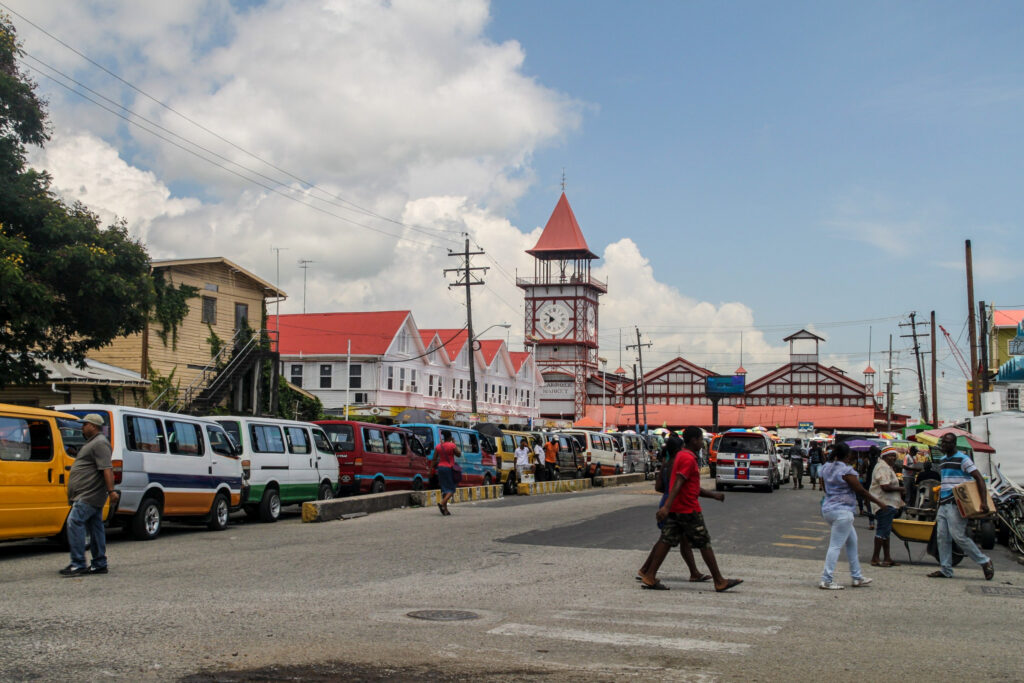
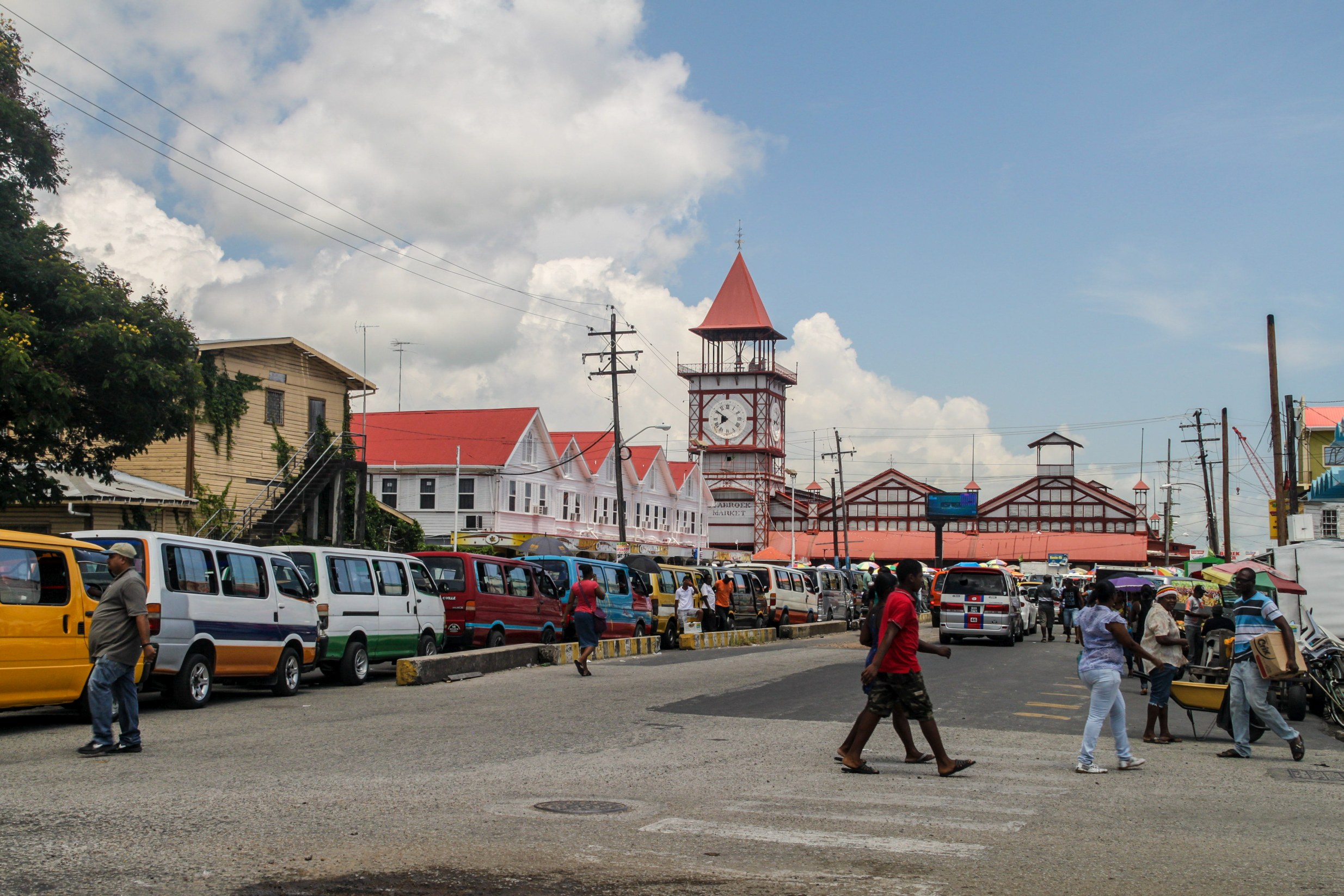

Within the last five years, Guyana has moved from the second poorest country in the Western Hemisphere to one of the fastest growing economies in the world. This follows the 2015 discovery of over 11 billion barrels of oil off the country’s coast.
In 2019, companies like ExxonMobil began extracting those resources. Now, more than a decade after the initial discovery, Guyana is starting to reap the profits. This rapid influx of capital has catapulted Guyana to high-income status, affording the government new opportunities to invest in development – a first since the country’s declared independence from the United Kingdom 60 years ago.
Although the sudden windfall is welcome, translating new revenue into durable prosperity requires deep technical knowhow and strong institutions – assets not quickly shored up in a country hampered by generations of chronic underinvestment.
That’s where the United Nations has been essential.
While the organization is typically viewed as an institution serving nations in crisis, in Guyana, the UN plays a very different role: working as a technical partner in sectors from public health to public education.
“The UN is proud to partner with the Government of Guyana, bringing technical expertise to help achieve national development goals and create lasting benefits for all Guyanese,” says Jean Kamau, UN Resident Coordinator in Guyana.
Pairing Guyana’s resources with UN expertise allows investments to be steered toward the priorities most critical for sustained, long-term growth.
“The UN… brings technical expertise to help achieve national development goals and create lasting benefits for all Guyanese.”
Jean Kamau, UN Resident Coordinator in Guyana
Improving Access to Public Health
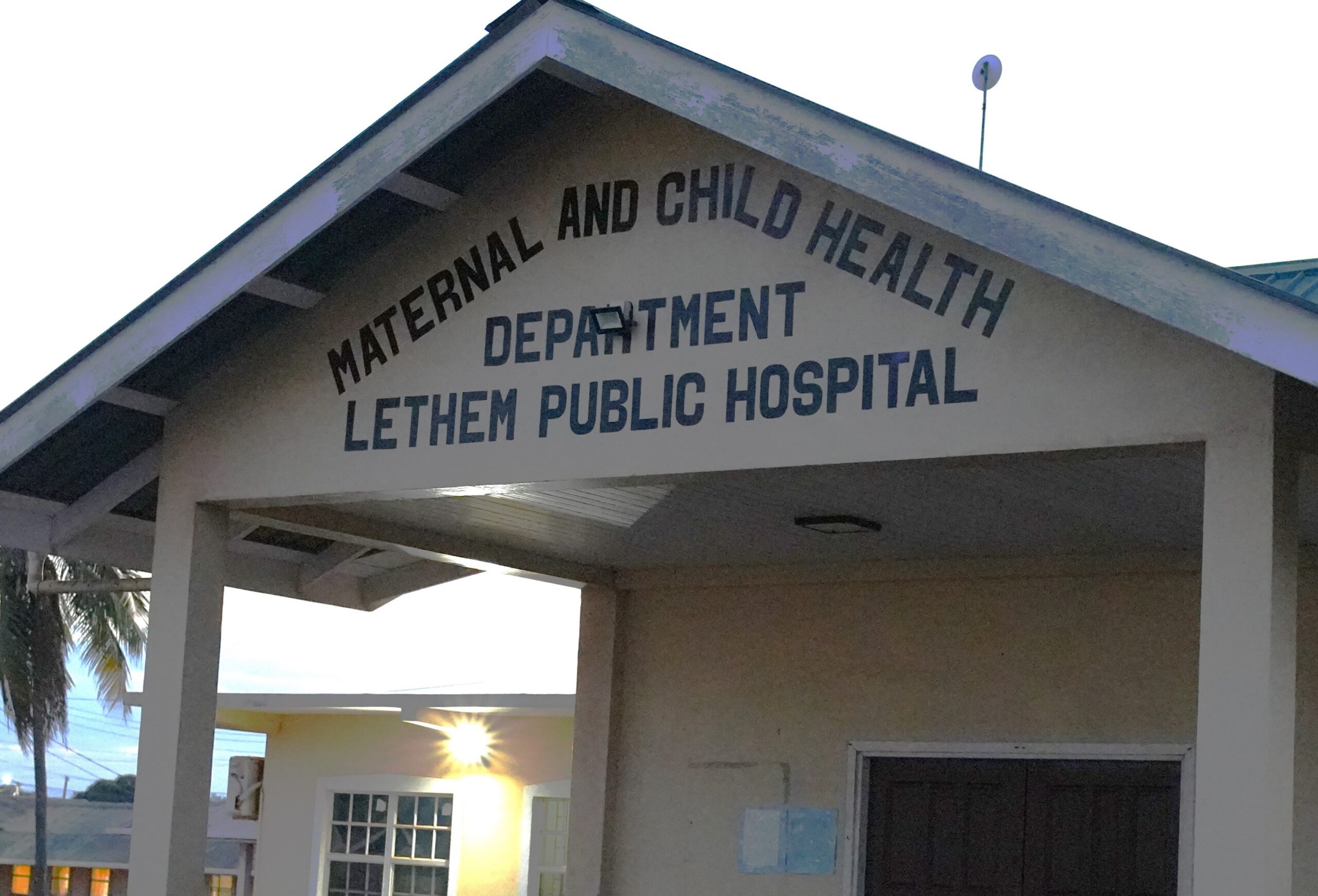
Located just a ten-minute walk from the Brazilian border, the newly renovated Lethem Regional Hospital is being transformed from a modest rural clinic with a few dozen beds, to a 90-bed hospital, complete with 24-hour emergency care, expanded inpatient services and two operating theaters.
Serving one of Guyana’s most remote regions and home to much of the indigenous Amerindian population, the hospital fills a critical gap in access to care. Previously, residents needing specialty services such as neonatal treatment or radiology were forced to travel to the capital, Georgetown, a journey of roughly 14 hours by bus – a costly trip that disproportionately burdened low-income patients and deepened existing health disparities.
As a result of strategic investments by the government with the help of agencies like the Pan-American Health Organization (PAHO) and the World Health Organization (WHO), by 2027, Lethem Regional Hospital will be one of only five certified “smart” hospitals in the country. These ongoing renovations, a result of UN support, have transformed the region’s public health system.
“Thanks to the ongoing partnership with PAHO and UNICEF, we’ve been able to maintain a vaccination rate above 95 percent,” explains Regional Health Officer, Evan Henry, MD.
Following the installation of UNICEF-funded vaccine fridges in rural communities and PAHO investments in the hospital, malaria and other vaccine-preventable diseases that previously plagued the community are no longer posing the same threat.
Henry says the transformation has been most dramatic for the hospital’s neonatal unit, where infants were routinely transferred to other hospitals prior to the changes. “Our referral rates were above 90 percent,“ Henry said. “As of 2025, our referral rates are below 2 percent.”
“Thanks to the ongoing partnership with PAHO and UNICEF, we’ve been able to maintain a vaccination rate above 95 percent,”
Evan Henry, MD, Regional Health Officer
A National Model for Public Education
The UN is also working alongside the Guyanese government to make strides in academic achievement.
According to a November 2024 report from the Inter-American Development Bank, 58% of the population continues to live in poverty, with a third of the population experiencing a chronic lack of basic services. This includes education, where the country faces high rates of student attrition and severe teacher shortages.
With UNICEF’s support towards educators’ training and learning resources, the University of Guyana Early Childhood Center for Excellence (ECCE) was established in 2022 to meet the needs of children under six – a critical window for children’s cognitive development. ECCE equips student teachers with essential in-classroom experience while providing high-quality education to local children.
The center also focuses on students who require extra help in the classroom. “We’ve been in operation for four years and have seen an impact on the over 1,000 students [we’ve taught] with special education needs,” says ECCE Director Lindon Lashley, PhD.
“We’ve been in operation for four years and have seen an impact on the over 1,000 students with special education needs.”
Lindon Lashley, PhD, ECCE Director
ECCE is now setting the standard for early childhood education nationwide. “So far, the center has produced two books and over 20 research papers,” explains Lashley. “We are shaping how curriculum evolves in Guyana.”
America’s Essential Partner
In 2026, Guyana is projected to generate more than $2.8 billion in oil revenue, a historic windfall that offers a narrow window to lay the foundation for the nation’s future. But wealth alone does not guarantee stability. To ensure Guyana successfully transitions to a resilient, self-sustaining country, the technical expertise and ground-level presence of the UN will be essential.
As American companies continue to invest in Guyana’s energy sector, the U.S. does so knowing that UN support is reinforcing the institutions needed to turn resource wealth into enduring stability – positioning a strategic South American ally as both a security partner and a thriving market for U.S. exports.