If you’ve been following our blog, you know we’ve sounded the alarm on rescissions before. We’re back at it. Because while rescissions may sound like budget jargon, they carry very real consequences for U.S. security, credibility and global leadership.
At the end of August, the Trump Administration announced it was pulling back nearly $4.9 billion in foreign assistance funds – just weeks before the fiscal year ended. This wasn’t a routine trim. It was a maneuver called a pocket rescission.
Rescissions 101: What are Pocket Rescissions?
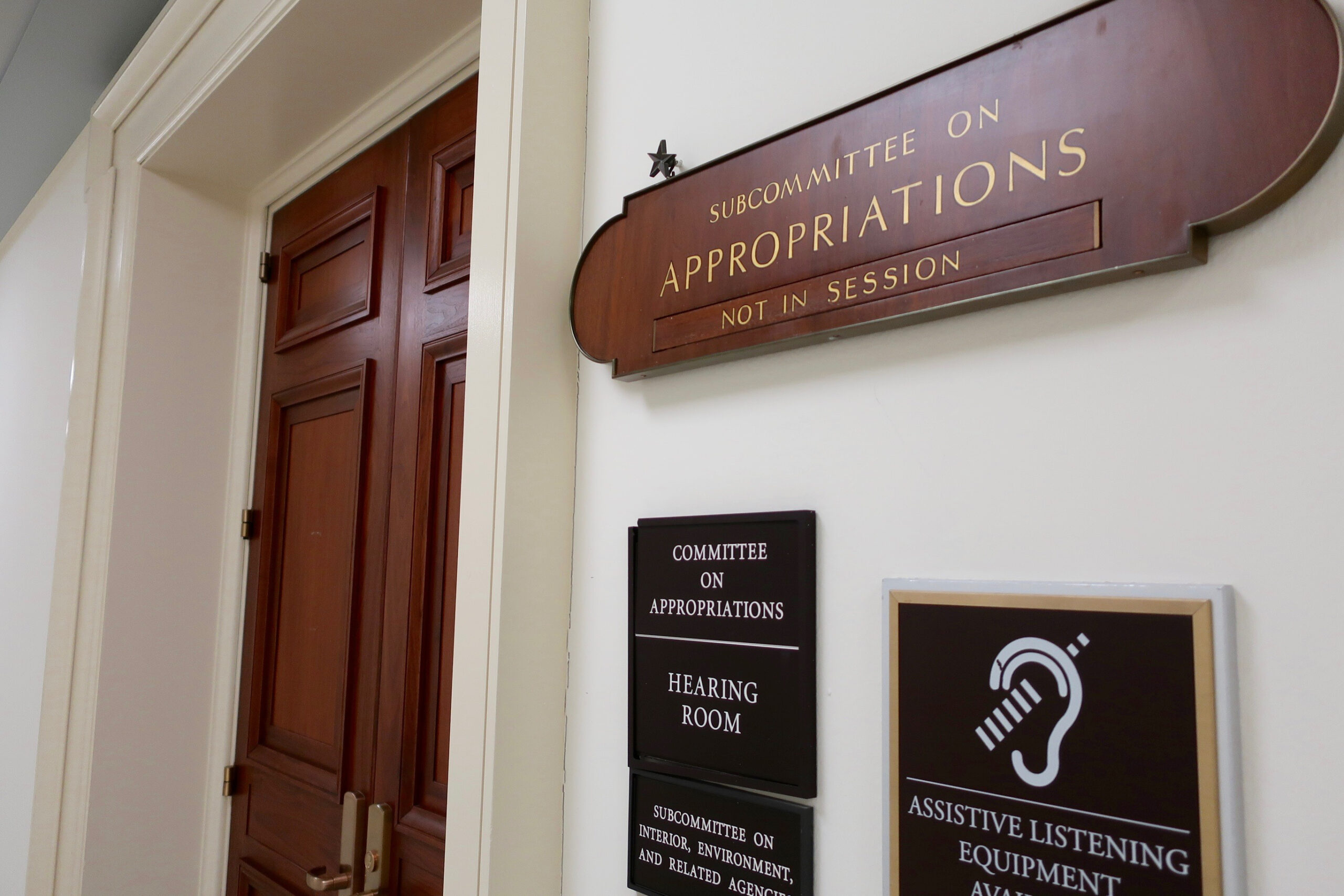
Pocket rescissions target money with fewer than 45 days left in the fiscal year. If Congress can’t act fast enough – say, the House is out on recess – the funds expire on September 30. Which means Congress’ constitutional “power of the purse” is sidelined.
What Was Cut
The cuts zero in on (and sometimes out) three accounts central to U.S. foreign policy.
- CIO (Contributions to International Organizations): $520.5 million
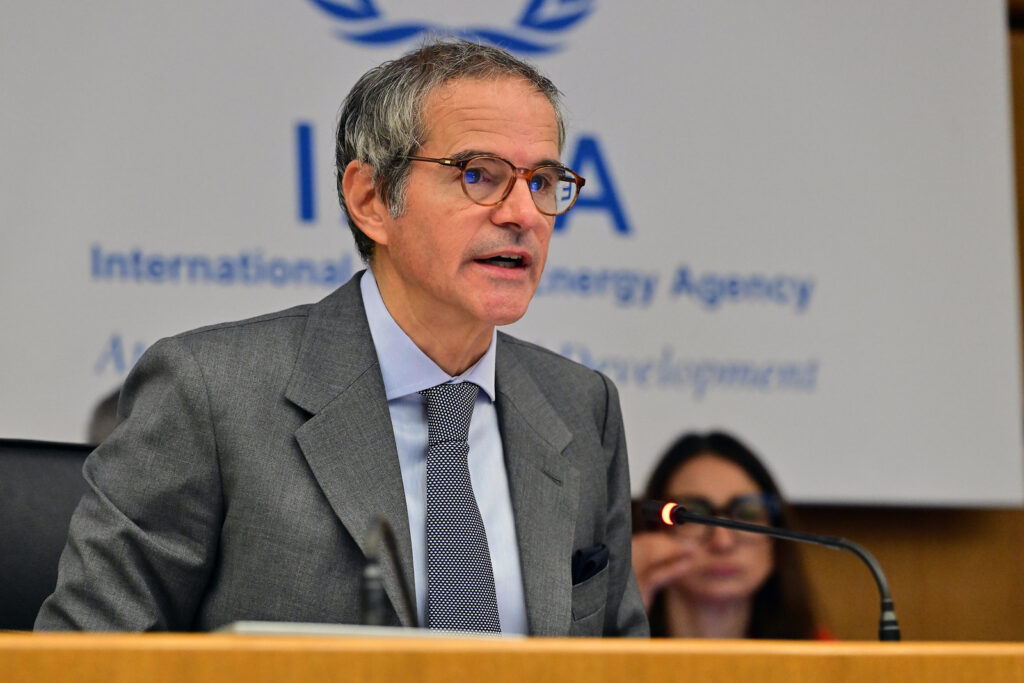
CIO pays U.S. dues to NATO, the United Nations, the Organization of American States and treaty bodies like the International Atomic Energy Agency. Pulling this weakens nuclear inspections and counterterror finance monitoring. - CIPA (UN Peacekeeping): $392.5 million
CIPA cuts impact U.S. contributions to UN peacekeeping, undermining missions in Haiti, the DRC, Mali and Lebanon. That means soldiers go unpaid. And because many of those nations contribute troops to multiple operations, one U.S. funding shortfall ripples across the globe, from Africa to Eastern Europe. That also means fewer boots on the ground fighting instability, more space for extremists to operate and greater pressure for American forces needed to fill the gap. - PKO (Peacekeeping Operations): $444.9M
Consequences? Less support for African Union forces fighting al-Shabaab in Somalia and reduces U.S. training for partner militaries.
What’s notable is that these cuts undermine the very policies the Administration successfully advanced in recent months.
Take Haiti. This month, the U.S. drafted the Security Council resolution to stand up a multinational Gang Suppression Force (GSF) to help stabilize the country. To be clear, the U.S. will not be sending American troops; success depends on persuading other countries to contribute soldiers and police. But those governments need assurances that their personnel won’t be left stranded without proper funding, equipment and support. With peacekeeping funds slashed, Washington’s leverage is weaker. Put simply: why would another country risk sending its forces into Haiti’s volatile streets if they’re already going unpaid for deployments elsewhere?
Or look at the Democratic Republic of Congo. After helping broker a peace deal, the U.S. is relying on the UN’s peacekeeping mission in country – known as MONUSCO – to enforce it. Yet MONUSCO is already planning a 25% troop drawdown because of budget shortfalls. Add in the fact that the U.S. hasn’t paid its full peacekeeping bill this year and is sitting on $1.5 billion in arrears and it’s little wonder allies question America’s staying power.
Then there’s Gaza. With the region at a breaking point, senior U.S. officials are discussing an international stabilization force with American backing – and a UN mandate. This is because for many nations, they demand the world body’s approval to deploy troops. And just as in Haiti, countries will only provide soldiers if the U.S. has skin in the game, which means paying our peacekeeping share in full. Right now, we haven’t.
The bottom line: for the Administration’s ambitious solutions at the UN to take hold, you can’t hollow out the very accounts that make them possible. Doing so doesn’t just weaken missions and reduce the likelihood to attract troop contributing countries – it weakens U.S. leverage and leaves space for China and Russia to step in.
What Happens Next
Fortunately, it’s not too late to claw back the clawback. Even though the funds technically expired on September 30, Congress can retroactively preserve them in a future appropriations bill. Doing so would go a long way to bolstering U.S. credibility with allies, protecting U.S. foreign policy and blunting our adversaries.
So yes, we’re still talking about rescissions. Because while it might sound like an obscure budget footnote, they determine whether the U.S. leads – or leaves a vacuum for others to fill.